África, Expressões Artísticas de um Continente
Intersecções contemporâneas - Ano da França no Brasil
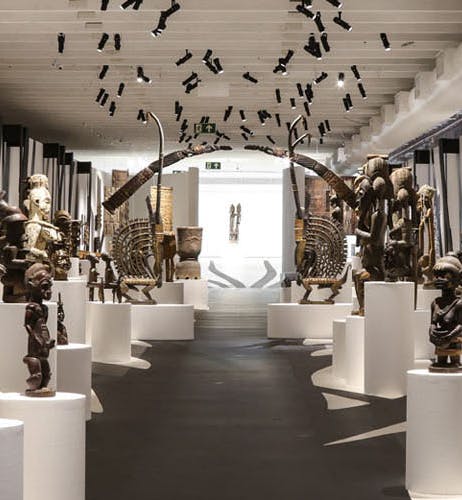
Uma nova ativação da exposição “África, Expressões Artísticas de um Continente”, com obras do acervo do Museu Oscar Niemeyer (MON), é entregue ao público. “Intersecções contemporâneas - Ano da França no Brasil”, com curadoria de Renato Araújo, em cartaz na Sala 4, é um importante diálogo entre a arte africana tradicional e a sua transversalidade, que ganha cada vez mais espaço no contemporâneo.
A exposição se renova no ano Brasil-França, que celebra dois séculos de relações diplomáticas entre os dois países. Esta nova edição é uma parceria do MON com a Coleção Ivani e Jorge Yunes (CIJY) e o Instituto Tomie Ohtake, ambos de São Paulo, e propõe um intercâmbio cultural e artístico.
Artist
Curatorship
Renato Araújo, Nadine Hounkpatin, Ana Roman e Paulo Miyada
Abertura
3 de dezembro de 2025, 22h
Exhibition period
From 5 de dezembro de 2025
Until 30 de agosto de 2026
Location
Sala 4
Plan your visit
SAIBA MAIS SOBRE A EXPOSIÇÃO
Exposição africana do MON ganha novo diálogo com o contemporâneo
A exposição “África, Expressões Artísticas de um Continente”, realizada pelo Museu Oscar Niemeyer (MON), com obras de seu acervo, ganha uma nova ativação: “Intersecções contemporâneas – Ano da França no Brasil”, que será inaugurada em 4 de dezembro, na Sala 4. A curadoria é de Renato Araújo.
Para Luciana Casagrande Pereira, secretária de Estado da Cultura, essa exposição é um exemplo de como a cooperação cultural pode gerar novas formas de diálogo e criação. “Quando obras, narrativas e sensibilidades circulam entre continentes, ampliamos nossa capacidade de reconhecer a diversidade como valor compartilhado”, diz.
“Com esta ativação, o MON, como instrumento vivo de valorização e democratização da cultura, traz até o seu visitante um importante diálogo entre a arte africana tradicional e a sua transversalidade, que ganha cada vez mais espaço no contemporâneo”, afirma a diretora-presidente do MON, Juliana Vosnika.
A exposição se renova no ano Brasil-França, que celebra dois séculos de relações diplomáticas entre os dois países. Essa nova edição é uma parceria do Museu Oscar Niemeyer com a Coleção Ivani e Jorge Yunes (CIJY) e o Instituto Tomie Ohtake, ambos de São Paulo, e propõe um intercâmbio cultural e artístico.
“Apresentamos ao público dois projetos distintos simultaneamente”, informa Juliana. O primeiro consiste na instalação de dois vídeos das artistas Josèfa Ntjam e Tuli Mekondjo. A curadoria é Nadine Hounkpatin, nascida no Benin e radicada na França há muitos anos.
O segundo projeto, com curadoria de Paulo Miyada e Ana Roman, aborda o tema “Errâncias: Entre Brasil, França, África e Caribe”, a partir de residências oferecidas pelo Instituto Édouard Glissant, na Martinica, a artistas do mundo todo. “A participação dos artistas brasileiros Rayana Rayo e José Eduardo Ferreira Santos resultou na criação de obras exibidas nesta exposição”, explica.
Em sua terceira edição, a exposição “África, Expressões Artísticas de um Continente” consolida um longo e criterioso processo que culminou na chegada de uma das mais importantes e significativas coleções de arte africana ao Museu Oscar Niemeyer.
Curadoria
“Como parte das comemorações da temporada cultural França-Brasil, o Museu apresenta, neste momento, intervenções ligadas à França e à sua região ultramarina, a Martinica”, informa o curador. “Em diálogo com o acervo, cada intervenção possui formas, gestos e narrativas próprias”, diz Araújo.
Ele explica que uma das propostas apresenta a instalação de vídeo-arte “Presenças: Corpos, Objetos e Memórias”, com curadoria da especialista franco-beninense Nadine Hounkpatin e que reúne vídeos das artistas Tuli Mekondjo, da Namíbia, e Josèfa Ntjam, franco-camaronesa. “As obras fundem filosofia, tecnologia e espiritualidade africanas, reimaginando a herança negra como um agente vivo de memória e resistência”, diz.
Outra proposta entrega ao visitante o trabalho da artista Rayana Rayo e do curador José Eduardo, do Acervo da Laje (Bahia), que realizaram uma residência artística na Martinica, em parceria com o Instituto Tomie Ohtake (SP) e o Glissant Art Fund.
“A experiência partiu dos conceitos de errância, crioulização e relação, formulados pelo filósofo Édouard Glissant”, diz o curador. As obras afro-brasileiras de César Bahia (Salvador), que reverberam a herança formal e simbólica das culturas africanas, e as pinturas de Rayana Rayo (Recife), que investigam recipientes como metáforas do corpo e do abrigo, criam zonas de intersecção entre territorialidades e temporalidades.
“Essas ‘Errâncias entre Brasil, França, África e Caribe’ articulam memória, origem e deslocamento, propondo uma escuta ampliada do legado africano e de seus desdobramentos no contexto brasileiro”, conclui.
Images

Foto: Akemi Almeida

Foto: Akemi Almeida

Foto: Akemi Almeida

Foto: Akemi Almeida

Foto: Akemi Almeida
Foto: Akemi Almeida
Foto: Akemi Almeida
Foto: Akemi Almeida
Foto: Akemi Almeida
Foto: Akemi Almeida
Foto: Akemi Almeida
Materiais da Exposição


Versão em áudio - Texto Institucional
Versão em áudio - África, Expressões Artísticas de um Continente
Versão em áudio - Presenças: Corpos, Objetos e Memórias
Versão em áudio - Errâncias: Entre Brasil, França, África e Caribe
Versão em áudio - Bio José Eduardo Ferreira Santos
Versão em áudio - Bio Rayana Rayo
Versão em áudio - Carta Glissant 1
Versão em áudio - Carta Glissant 2

Versão em Libras - Texto Institucional
Versão em Libras - Texto Curatorial
Versão em Libras - Errâncias
Versão em Libras - Presenças
A exposição “África, Expressões Artísticas de um Continente” se renova no ano Brasil-França, que celebra dois séculos de relações diplomáticas entre os dois países. Numa parceria do Museu Oscar Niemeyer (MON) com a Coleção Ivani e Jorge Yunes (CIJY) e o Instituto Tomie Ohtake, ambos de São Paulo, a nova edição dessa mostra propõe um intercâmbio cultural e artístico.
Apresentamos ao público, simultaneamente, dois projetos distintos, com curadoria geral de Renato Araújo. O primeiro consiste na instalação de dois vídeos das artistas Josèfa Ntjam e Tuli Mekondjo. A curadoria é Nadine Hounkpatin, nascida no Benin e radicada na França há muitos anos.
O segundo projeto, com curadoria de Paulo Miyada e Ana Roman, aborda o tema “Errâncias: Entre Brasil, França, África e Caribe”, a partir de residências oferecidas pelo Instituto Édouard Glissant, na Martinica, a artistas do mundo todo. A participação dos artistas brasileiros, RayanaRayo e José Eduardo Ferreira Santos resultou na criação de obras exibidas aqui.
Com esta ativação, o MON, como instrumento vivo de valorização e democratização da cultura, traz até o seu visitante um importante diálogo entre a arte africana tradicional e a sua transversalidade, que ganha cada vez mais espaço no contemporâneo.
Em sua terceira edição, a exposição “África, Expressões Artísticas de um Continente” consolida um longo e criterioso processo que culminou na chegada de uma das mais importantes e significativas coleções de arte africana ao Museu Oscar Niemeyer.
Entendemos que um museu existe a partir do seu acervo, mas é da interação entre o público e suas obras que são disseminados cultura e conhecimento.
Museu Oscar Niemeyer
Transforme uma árvore em lenha que ela arderá; mas nunca mais lhe dará flores e frutos.
Rabindranath Tagore (1861–1941)
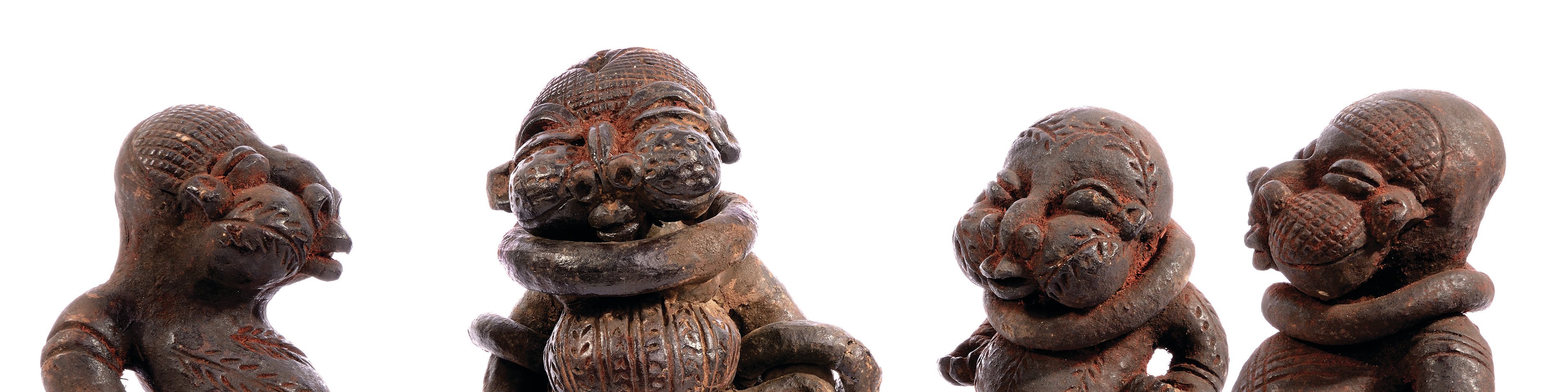
Estreitando laços institucionais, o Museu Oscar Niemeyer recebeu uma importante doação de obras africanas da Coleção Ivani e Jorge Yunes com cerca de 2.000 objetos – são máscaras, estatuetas, instrumentos musicais e uma grande variedade de outras obras das quais essas são apenas uma seleção.
Como parte das comemorações da temporada cultural França-Brasil, o Museu apresenta, neste momento, intervenções ligadas à França e à sua região ultramarina, a Martinica. Em diálogo com o acervo, cada intervenção possui formas, gestos e narrativas próprias.
De um lado, a instalação de vídeo-arte “Presenças: Corpos, Objetos e Memórias”, com curadoria da especialista franco-beninense Nadine Hounkpatin, reúne vídeos das artistas Tuli Mekondjo da Namíbia e da franco-camaronesa Josèfa Ntjam. As obras fundem filosofia, tecnologia e espiritualidade africanas, reimaginando a herança negra como um agente vivo de memória e resistência.
Com apoio da Coleção Ivani e Jorge Yunes, a artista Rayana Rayo e o curador José Eduardo, do Acervo da Laje (Bahia) realizaram uma residência artística na Martinica, também em parceria com o Instituto Tomie Ohtake (SP) e o Glissant Art Fund. A experiência partiu dos conceitos de errância, crioulização e relação, formulados pelo filósofo Édouard Glissant. As obras afro-brasileiras de César Bahia (Salvador), que reverberam a herança formal e simbólica das culturas africanas, e as pinturas de Rayana Rayo (Recife), que investigam recipientes como metáforas do corpo e do abrigo, criam zonas de intersecção entre territorialidades e temporalidades. Essas “Errâncias entre Brasil, França, África e Caribe” articulam memória, origem e deslocamento, propondo uma escuta ampliada do legado africano e de seus desdobramentos no contexto brasileiro.
Renato Araújo da Silva
Curadoria
A intervenção “Presenças: Corpos, Objetos e Memórias”, com curadoria de Nadine Hounkpatin e Renato Araújo, coloca em diálogo artefatos africanos ancestrais doados pela Coleção Ivani e Jorge Yunes ao Museu Oscar Niemeyer com obras em vídeo de Josèfa Ntjam e Tuli Mekondjo. O projeto explora as relações entre metamorfose, memória e identidade, reativando vestígios visíveis e invisíveis da herança africana. As obras contemporâneas insuflam nova vitalidade nos objetos antigos, que passam a atuar como mediadores de narrativas e futuros possíveis.
Mais do que um encontro estético, Hounkpatin reflete sobre o status da arte africana nos museus, questionando propriedade, transmissão e a noção de patrimônio compartilhado. Ao dar voz a artistas contemporâneos, constrói-se uma ponte entre passado e presente, memória coletiva e criação viva.
“Mélas de Saturne”, de Josèfa Ntjam (França/Camarões), é um vídeo especulativo que explora as histórias da diáspora negra sob uma lente pós-humana. Um avatar digital funde-se a um algoritmo que antecipa a integração entre vida orgânica e tecnológica, sugerindo novas formas de memória e identidade. Inspirando-se na iconografia espiritual da África Ocidental, especialmente em Mami Wata, Ntjam combina imagens mitológicas, arqueológicas e biológicas – máscaras, corais, formas marinhas híbridas e serpenteantes – criando uma cosmologia fluida. “Mélas”, do grego “melas” (“negro” ou “escuro”), evoca uma energia transformadora que desafia o tempo linear e as identidades fixas. A fragmentação torna-se força de resistência e renovação, reimaginando a herança africana não como relíquia, mas como agente vivo.
“Afrotekismo: o Museu Vivo do Afrotekismo”, de Tuli Mekondjo(Namíbia), é uma performance que conecta herança africana, memória corporal e futuros especulativos. Em ressonância com os artefatos ancestrais da Coleção Yunes, Mekondjo posiciona o corpo como um museu vivo, onde memória, ritual e tecnologia se entrelaçam. Ao mover-se pelo espaço público, ela ativa objetos e gestos como portadores de história e imaginação, desafiando os modelos museológicos ocidentais que desvinculam os artefatos da vida cultural. A obra imagina um futuro em que os sistemas de conhecimento africanos permanecem dinâmicos, móveis e autodefinidos – um arquivo vivo de resistência e renovação.
Nadine Hounkpatin (Benin/França)
Errância, no pensamento do filósofo e poeta martinicano ÉdouardGlissant, é um modo de estar no mundo. Mais do que deslocamento, trata-se de um exercício de atenção à diferença e à opacidade, que transforma a experiência do exílio em consciência compartilhada: cada um carrega consigo fragmentos de outros lugares e saberes, e é nesse trânsito que se formam novas linguagens e pertencimentos. Ao questionar as raízes fixas, Glissant propõe uma visão dinâmica de memória, origem e ancestralidade.
A partir do conceito de errância, organizou-se a mostra “A Terra, o Fogo, a Água e os Ventos – Por um Museu da Errância com ÉdouardGlissant”, em cartaz no Instituto Tomie Ohtake, que apresenta a coleção particular de arte de Glissant em diálogo com artistas contemporâneos. No contexto da mostra, Rayana Rayo e Zé di Cabeça realizaram uma residência artística na Maison du Diamant, na Martinica – casa onde Édouard Glissant viveu e escreveu parte de sua obra – em colaboração com o Édouard Glissant Art Fund e com o Institut du Tout-Monde. A partir dessa experiência, os artistas propuseram intervenções na Coleção de Arte Africana.
Os trabalhos apresentados nascem do trânsito entre objetos e paisagens. Em Rayana, a investigação sobre recipientes se desdobra: o vaso aparece como corpo-abrigo e como dispositivo de linguagem. Em Zé diCabeça, procedimentos de observação e escrita conectam território, canto e lembrança partilhada; diante de peças sem autoria individual definida, o artista propõe o diálogo da coleção com as esculturas de César Bahia. Suas máscaras e figuras de orixás reativam vínculos entre ancestralidade, ofício e a presença viva das divindades afro-brasileiras.
Em conjunto, as intervenções propõem um campo de passagens entre Brasil, África e Caribe, no qual o acervo é interlocutor e matéria de escuta. As obras fazem da errância uma forma de correspondência entre tempos, vozes e gestos, expandindo o território da coleção em direção a uma geografia viva de relações.
Ana Roman e Paulo Miyada
José Eduardo Ferreira Santos
Salvador, Brasil, 1974 – vive e trabalha em Salvador, Brasil.
José Eduardo Ferreira Santos é pedagogo, mestre em Psicologia, doutor em Saúde Pública e pós-doutor em Cultura Contemporânea. Nascido e criado no Subúrbio Ferroviário de Salvador, fundou, ao lado de sua esposa Vilma Santos, o Acervo da Laje: espaço cultural independente que funciona como casa, museu e escola, dedicado à preservação e valorização das expressões artísticas e culturais das periferias soteropolitanas. Durante a residência artística na Martinica, José Eduardo escreveu 27 cartas a Édouard Glissant, endereçadas à Maison du Diamant, casa onde o filósofo viveu e trabalhou. Nelas, traça paralelos entre Salvador e o Caribe, entre o Subúrbio Ferroviário e o arquipélago, entre os rios da Baía de Todos-os-Santos e as águas da ilha, tecendo fabulações sobre território, errância e pertencimento. Como intervenção na coleção, José Eduardo estabelece uma correspondência com César Bahia, escultor do Acervo da Laje e herdeiro de Otávio Bahia, artista que produzia divindades africanas em madeira no Subúrbio Ferroviário. César segue a tradição familiar, talhando troncos de jaqueira e pintando-os à mão em cores intensas, preservando a memória do ofício e a força ancestral de suas figuras. No encontro entre as cartas e as esculturas, entre Salvador e a Martinica, a intervenção faz do acervo um interlocutor ativo. As obras escutam, respondem e inventam continuidades entre África, Caribe e Brasil.
Rayana Rayo
Pernambuco, Brasil, 1989, vive em Pernambuco, Brasil
A produção de Rayana Rayo é permeada pela vivência do clima e da maré, de mangues, restingas e ilhas da paisagem do Recife, sua cidade natal. Suas pinturas, de pinceladas espessas e cores afinadas em suas relações tonais, evocam atmosferas úmidas e topografias arredondadas, as quais são habitadas por elementos híbridos – entre ser vegetal, animal e onírico. São cenas que não comunicam narrativas lineares, preferindo fabular relações entre corpos, fragmentos e ambiências afetivas. Da mesma forma, ela não lida com a paisagem por meio da perspectiva ou da descrição, mas, sim, fazendo todos os elementos da composição emergirem da mesma matéria da pintura, tomando partido de suas propriedades sinestésicas (sua capacidade de evocar calor e odor, silêncio e desejo, vento e solidão). Para esta exposição, Rayo apresenta uma série de pinturas comissionadas que se articulam com uma seleção de recipientes – objetos usados para conter, guardar e reter água presentes na Coleção África. Essa justaposição propõe um diálogo entre as superfícies líquidas e os volumes contidos, entre o gesto pictórico e a materialidade das formas que, assim como suas pinturas, lidam com fluxos, retenções e permeabilidades.
O flamboyant amarelo
14 de agosto de 2025
Glissant, boa noite.
No meio da viagem encontrei alguns flamboyants amarelos.
O flamboyant amarelo foi o meu primeiro espanto com a beleza na infância, no ir e vir da escola primária, na década de 1980.
O caminho da rua Nova Esperança até a Escola Machado de Assis, na Rua dos Ferroviários, final de linha do São João do Cabrito, era um espetáculo para os olhos por conta dos jardins e das belas árvores que enfeitavam o caminho.
Flamboyants e outras árvores floresciam de forma abundante, fazendo todo lugar parecer um jardim, e aquilo me encantava muito, mas ninguém sabe nos explicar o encantamento: ele simplesmente acontece. Até contar é difícil, porque está na esfera da magia pessoal, da delicadeza daquilo que a nossa alma guarda como tesouro.
E mais ainda por saber que aquelas árvores, plantas e jardins foram cultivados por mãos e corações que amavam árvores, plantas e jardins, das mulheres de todo o bairro.
A gente não se dá conta da importância da paisagem, das árvores, das plantas e dos jardins na imaginação e no imaginário de uma criança: é o início de tudo, onde perguntas são feitas, felicidades são vividas, inteligências e sensibilidades são aguçadas, enfim. A vida nasce de novo no encontro com o mundo exterior, externo a nós.
A paisagem educa. A árvore, com sua imponência e beleza, educa e encanta.
As plantas, nem se fala, elas carregam o mistério de dialogar o tempo todo com a vida e também de nos educar para o cuidado e o afeto.
Árvores, plantas e jardins educam para a sociabilidade. Para viver em sociedade, é preciso cultivar e cuidar das plantas, das árvores e dos jardins.
Cultura, curadoria, cuidado, elaboração, civilização, tudo isso e mais um infinito cabe dentro de um jardim.
Além da presença notável dos flamboyants amarelos e vermelhos, não posso deixar de registrar, Glissant, a plenitude dos crótons, que de tão antigos começam a perder a cor.
O encontro com essa diversidade botânica nos ensina que a natureza é brutalmente relacional. Sutilmente relacional. Entre as frestas, ela é relacional. A natureza dança nos vãos de luz e os ocupa com vida para o alto.
A natureza ocupa os vãos do esquecimento com vida.
A natureza é plena porque bebe das fontes que nossos olhos não enxergam.
E nós, para viver, bebemos de qual fonte?
Quem disser, perde o encanto…
A natureza é silentemente, silenciosamente relacional.
Escandalosamente relacional, mas sempre silenciosa e precisa; dinâmica e rizomática; sabedora dos caminhos que a raiz tem que fincar para ter saúde e vida plena.
A natureza é a metáfora da vida.
E a metáfora da vida é a relação.
Um abraço,
Zé di Cabeça
“Ancestralidade” não é uma palavra vazia
17 de agosto de 2025
Glissant, bom dia.
Despedindo-me por aqui e agradecendo a Sylvie e a você por tudo, veio em mim a percepção de que precisamos cuidar mais da palavra “ancestralidade”, porque ela está se tornando uma palavra vazia, um adjetivo, usada como um gerundismo – um vício de linguagem, uma expressão esvaziada.
Sei que todos querem ter ancestralidade, mas é preciso cuidado: nem tudo o que se tem se diz.
Parcimônia, por favor. O mistério tem seus interditos, suas nuances e não pede espalhafatos.
Nem sempre a última apresentação é a síntese da vida. É preciso se guardar. A lógica do vazio supõe falas e definições garbosas de si.
Vó sabia disso e me ensinava tudo em silêncio, segredo e afeto.
Evocar a ancestralidade a esmo, banalmente, é um perigo, pois é lançar esse conceito, essa presença em um vazio de sentido que nem permite que ela, a ancestralidade, se manifeste.
Eu não sei se você não sabe, mas ancestralidade não é vazio, eco, imaginação: ancestralidade é presença. E forte. E companheira. E amiga. E cuidadora dos nossos passos aqui, na Martinica.
Quem tanto evoca ancestralidade se esquece de evocar presença. E ancestralidade é presença, e presença cuida.
Vamos repensar o jeito de nos apresentarmos ao mundo.
Eu chamo de ancestralidade as ancestralidades que têm nome e me deram colo, carinho, afeto, comida e amor…
Ancestralidade anônima é furada…
Ancestralidade genérica é alma penada…
Respeitem as palavras…
Ancestralidade é presença e não é um modismo vernacular transitório.
Ancestralidade é presença, de modo que, se você não entender, respeite.
Aqui, na residência Glissant, ela foi presença o tempo inteiro, sem precisar dizer essa palavra.
Tanto a presença quanto a ancestralidade devem educar pelo que são e por como se manifestam. Se isso se perde pelo uso vazio, é um sintoma desta geração que tenta apreender tudo em um conceito e não consegue. Quando não for possível, o silêncio também grita e evoca. É preciso reensinar a liturgia da evocação do sagrado, para que não se torne banal.
José Eduardo Ferreira Santos

Exposição virtual
O MON está ao lado de grandes museus do Brasil e do mundo na plataforma Google Arts & Culture. Visite nossas exposições em formato virtual.
Conheça mais sobre esta exposição na plataforma Google Arts & Culture.
Access virtual exhibition
Características da exposição


Estímulo Físico
Restrição de movimento
Estímulo Sonoro
Local com ruído

Estímulo Visual
Luz oscilante

Estímulo Visual
Luz reduzida