MON realiza exposição de arte africana com peças recém-incorporadas ao seu acervo
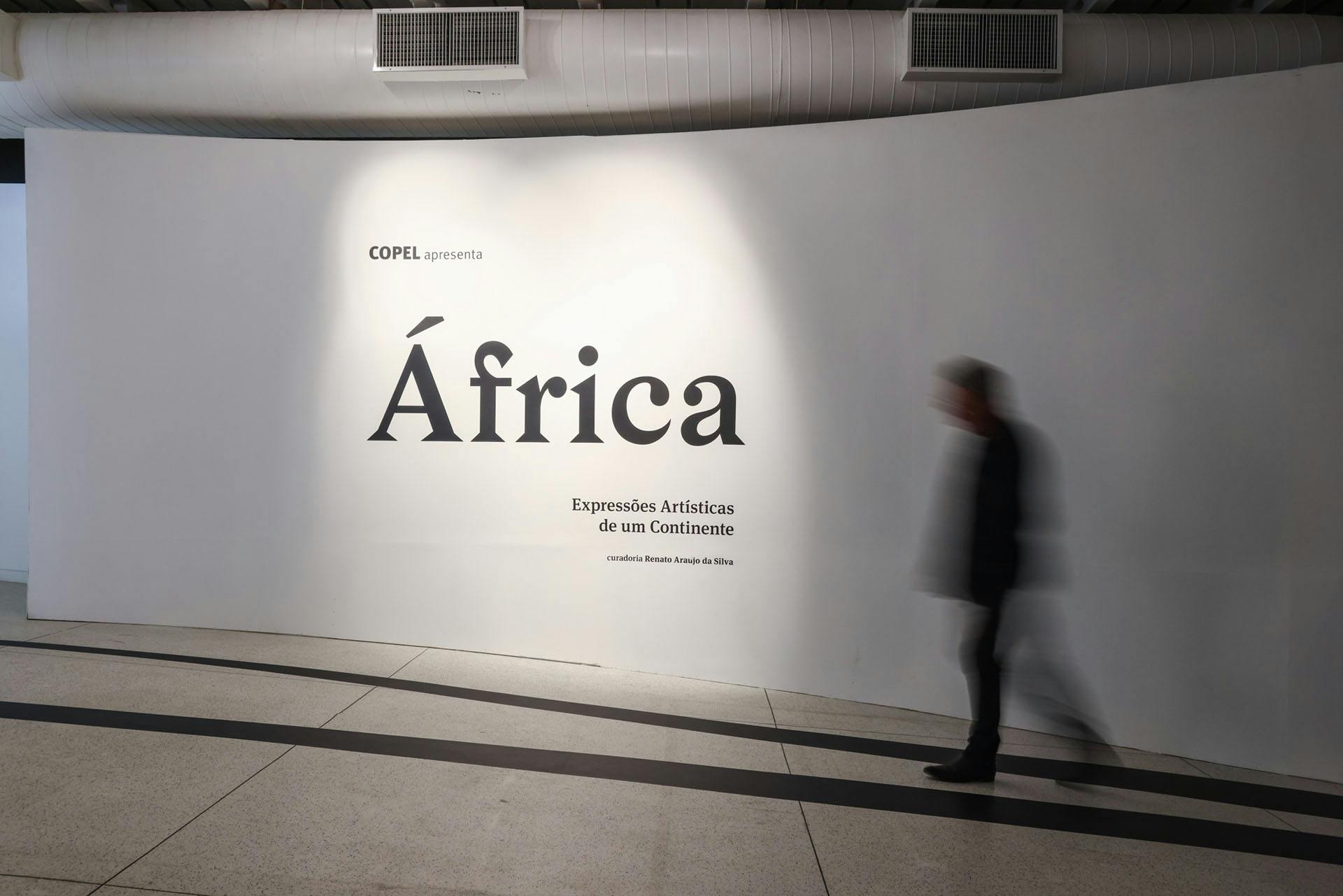
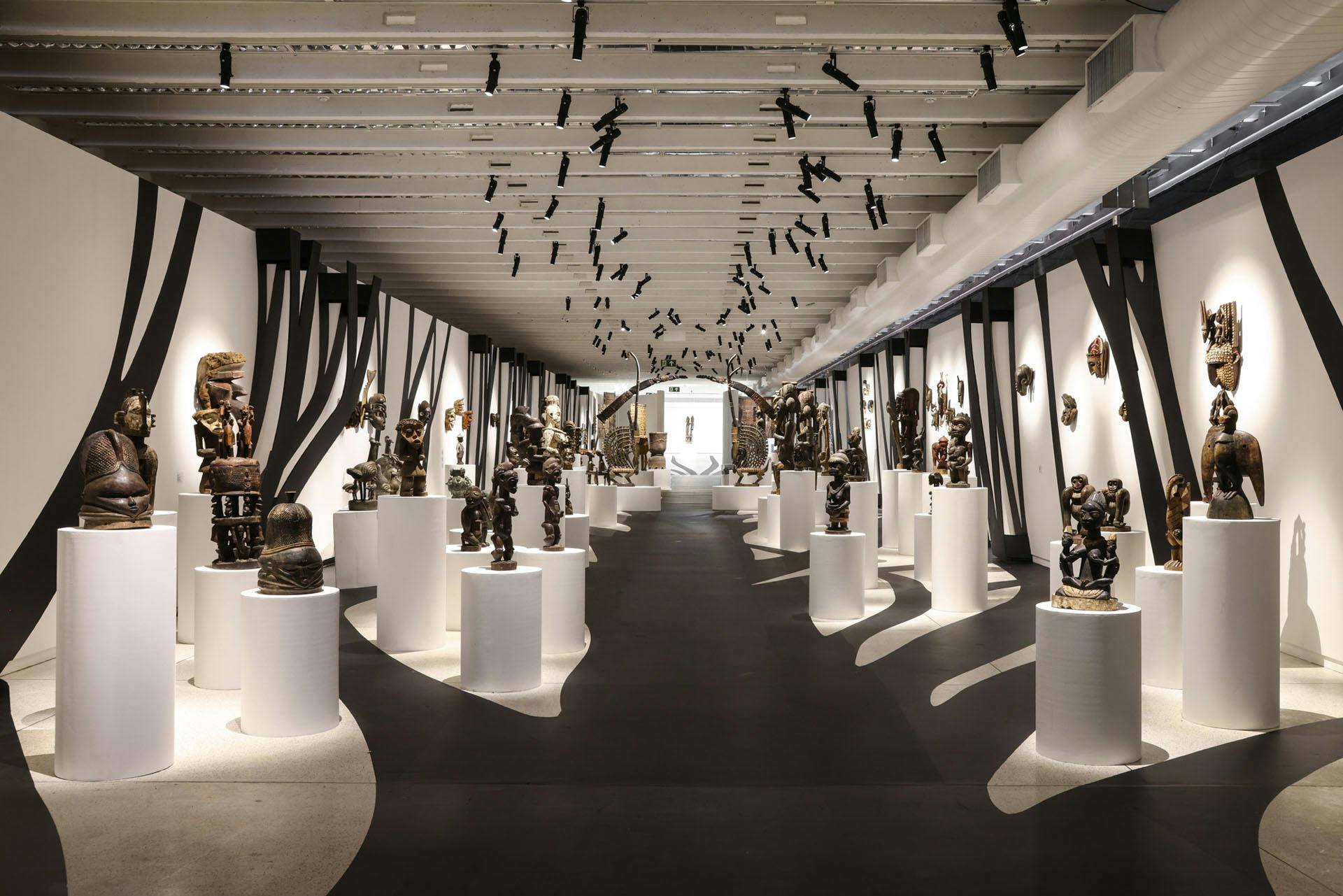
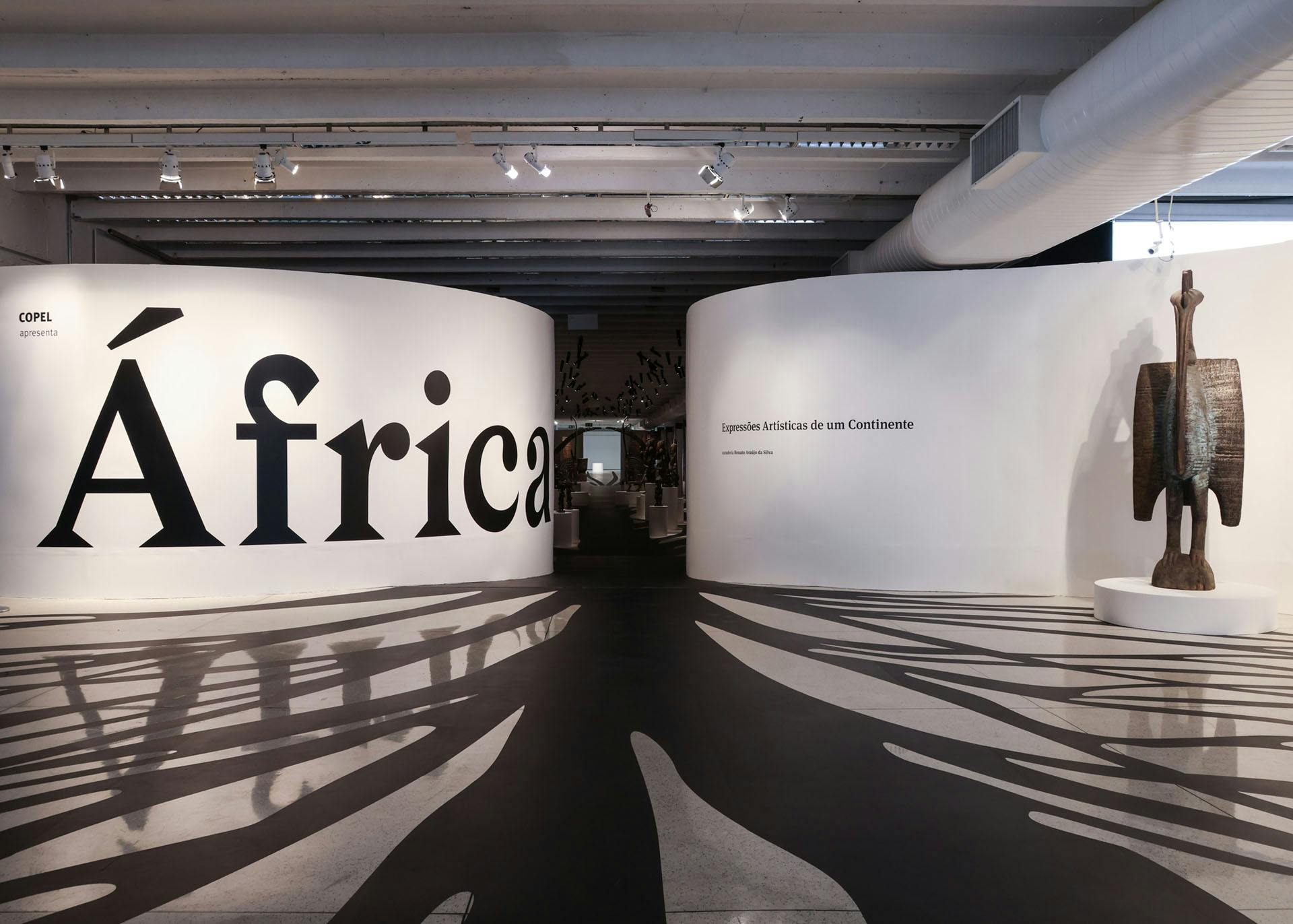
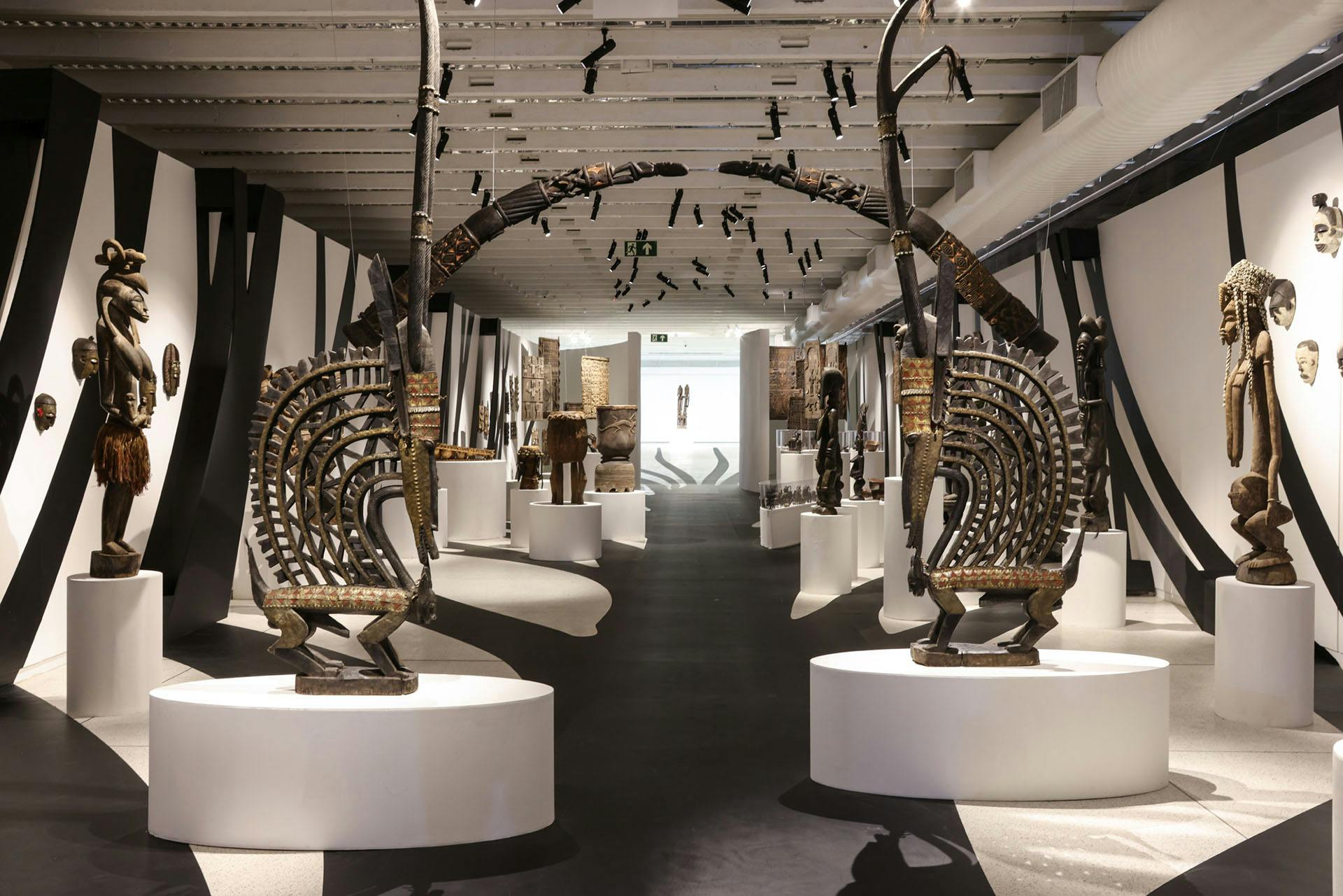
A exposição “África, Expressões Artísticas de um Continente”, realizada pelo Museu Oscar Niemeyer, apresentada pela Copel, poderá ser vista pelo público a partir de 26 de agosto, na Sala 4. É um recorte da grandiosa doação feita pela Coleção Ivani e Jorge Yunes (CIJY) ao MON.
No total, são aproximadamente 1.700 obras de uma das mais importantes e significativas coleções de objetos de arte africana do século XX, que passam a pertencer ao acervo do Museu Oscar Niemeyer e, consequentemente, ao Estado do Paraná.
A vinda da coleção de arte africana é parte de um processo de consolidação do marco referencial do MON, que estabelece como diferencial da instituição prioritariamente colecionar arte paranaense e brasileira e expandir seu olhar não eurocêntrico para a arte latino-americana, asiática e africana. Buscamos incessantemente incrementar o acervo, pois aí está a alma de um museu, a sua essência.
Em 2018, o MON foi o museu escolhido por suas condições técnicas, capacidade de gestão e credibilidade da instituição a receber uma doação de quase 3 mil obras de arte asiática. Doadas pelo diplomata e professor Fausto Godoy e oriundas de vários países daquele continente, parte das obras pode ser vista pelo visitante do MON na mostra “Ásia: a Terra, os Homens, os Deuses”, na Sala 5.
Maior museu de arte da América Latina em área construída, com 35 mil metros quadrados, o MON triplicou o seu acervo nos últimos anos. Desde que foi inaugurado, em 2002, e até 2015, o MON contava com cerca de 3 mil obras. Atualmente, possui mais de 9.300 obras em seu acervo.
Mostra africana
Segundo o curador da exposição “África, Expressões Artísticas de um Continente”, Renato Araújo da Silva, as obras doadas ao MON foram adquiridas ao longo de mais de 50 anos pelo casal Ivani e Jorge Yunes, detentores de uma das maiores coleções de arte do Brasil.
Com a exposição de objetos de heranças culturais tão distintas, encontramos aqui um importante ponto em comum: dentro do Museu, essas artes são elevadas a uma mesma plataforma artística, igualando a arte africana ao patamar da arte mundial”, diz. “Eis uma maneira de honrar a ancestralidade visual do passado e de abrir os novos plantios, rotas e perspectivas dessa arte no futuro”, comenta Renato.
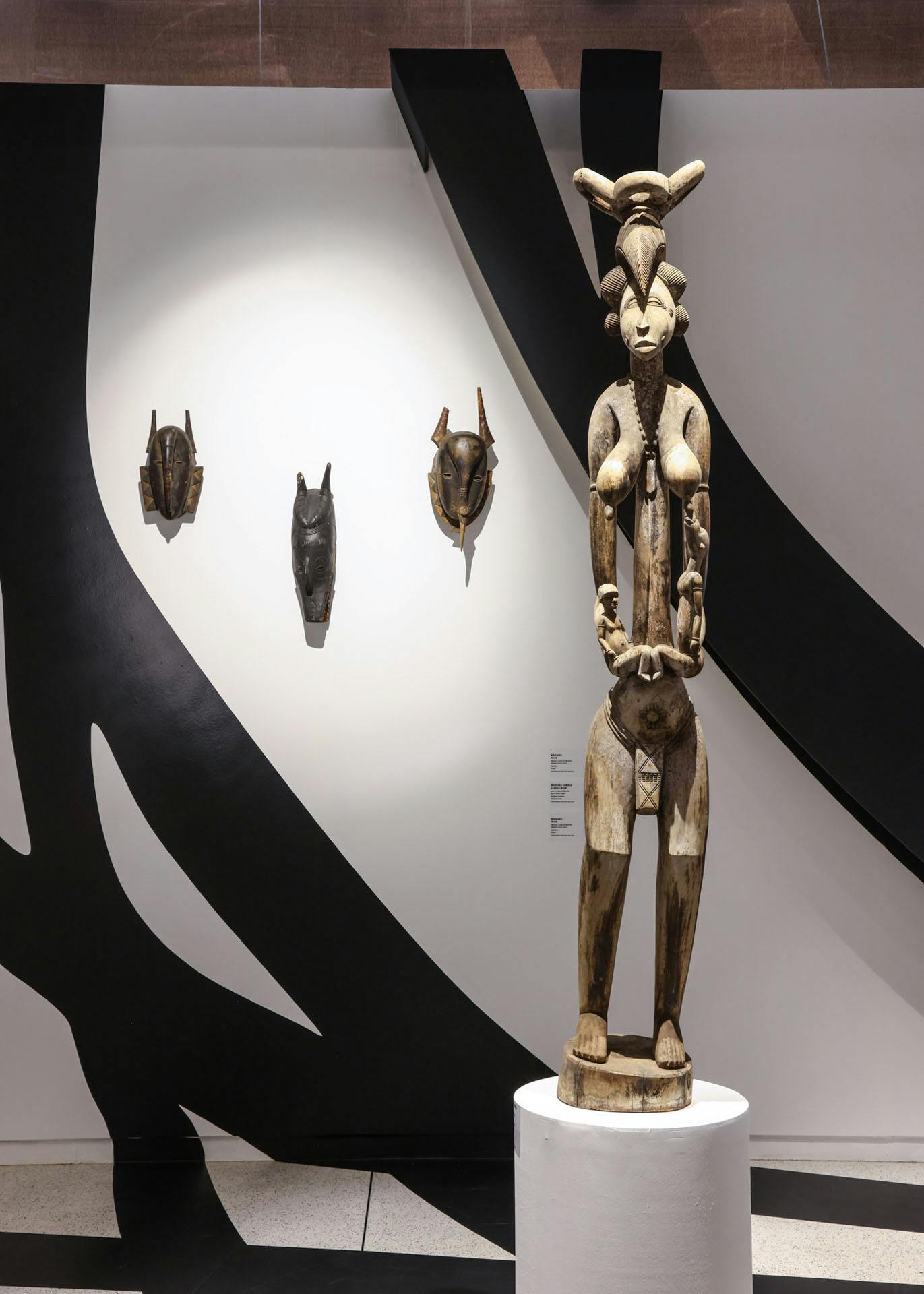
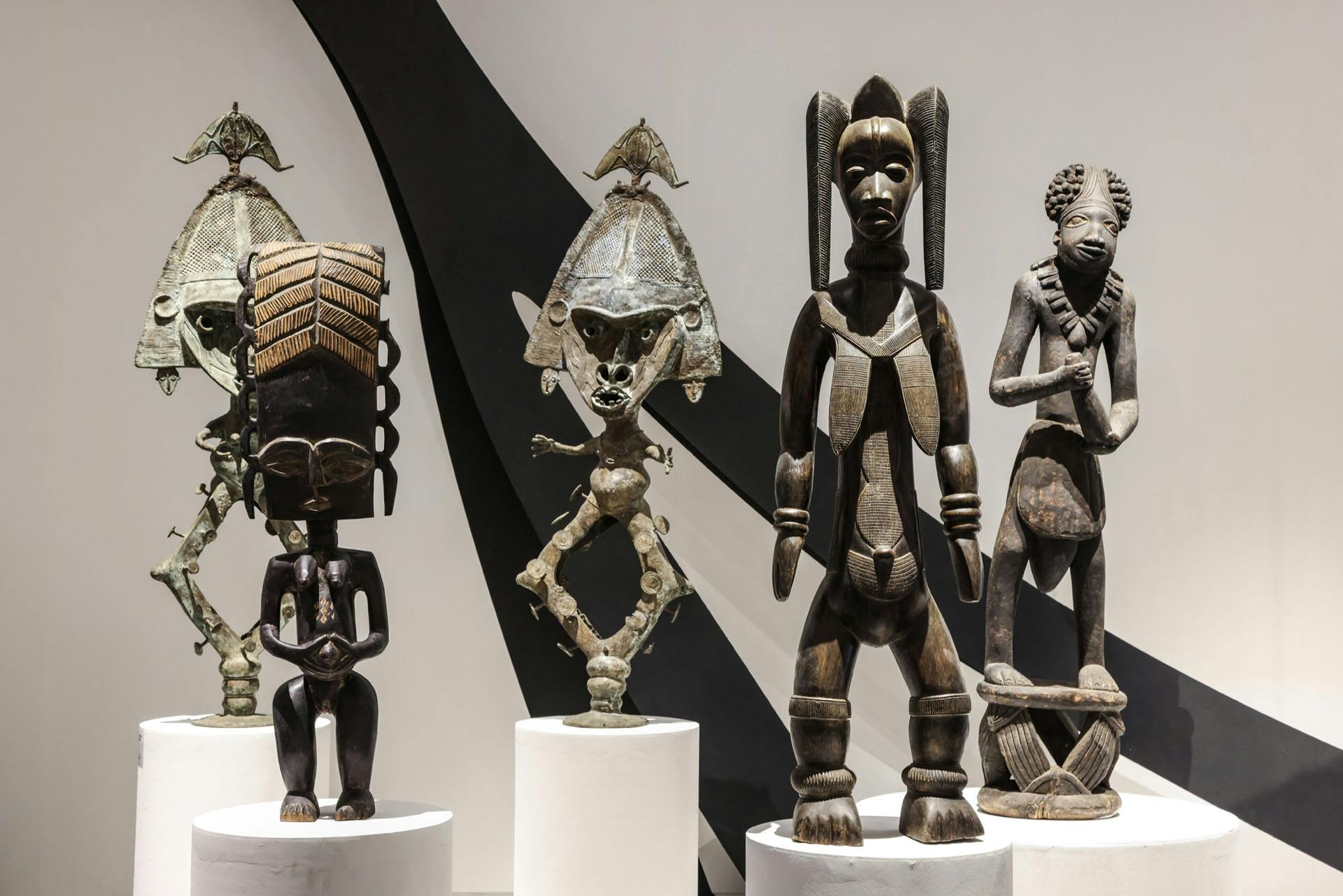
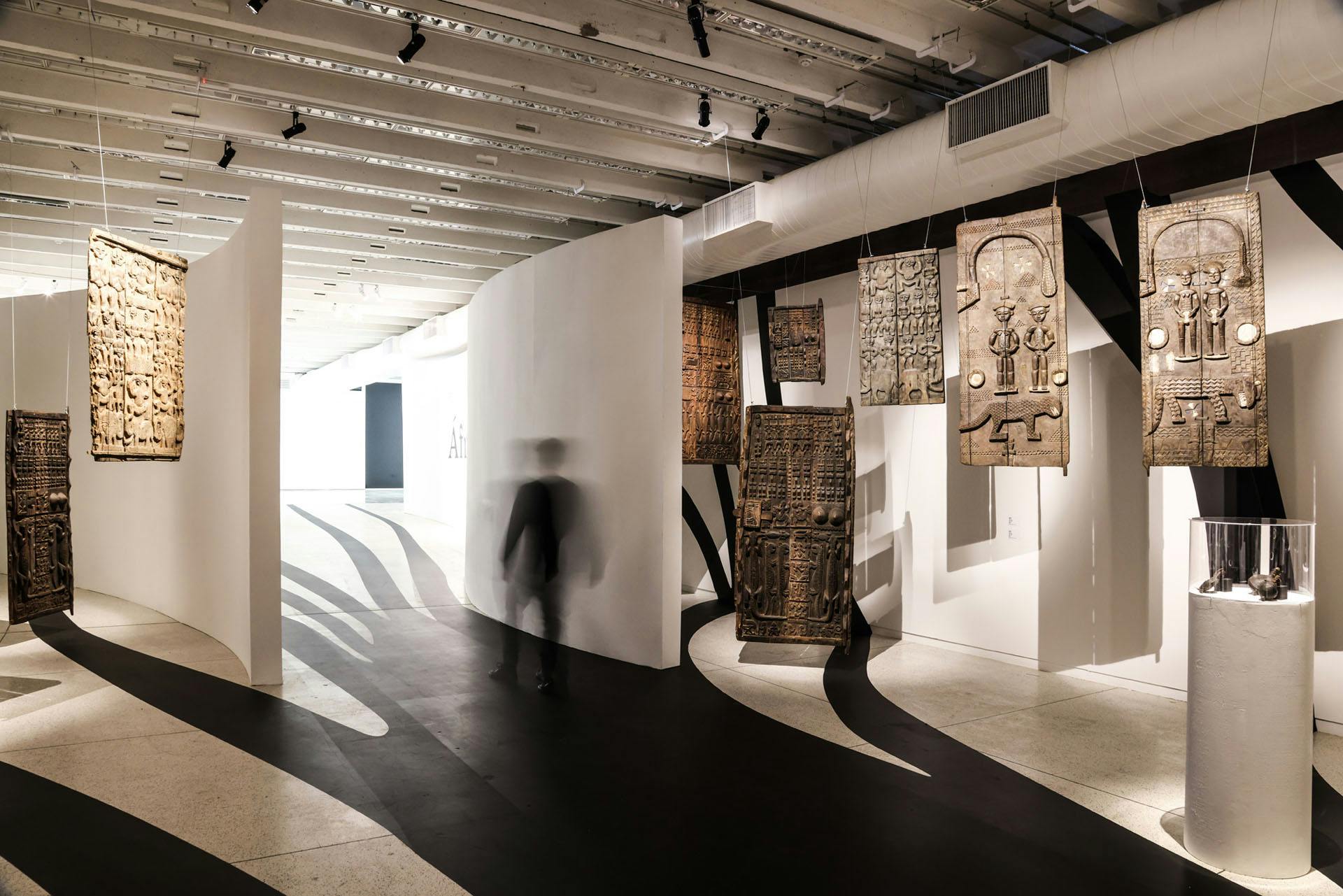
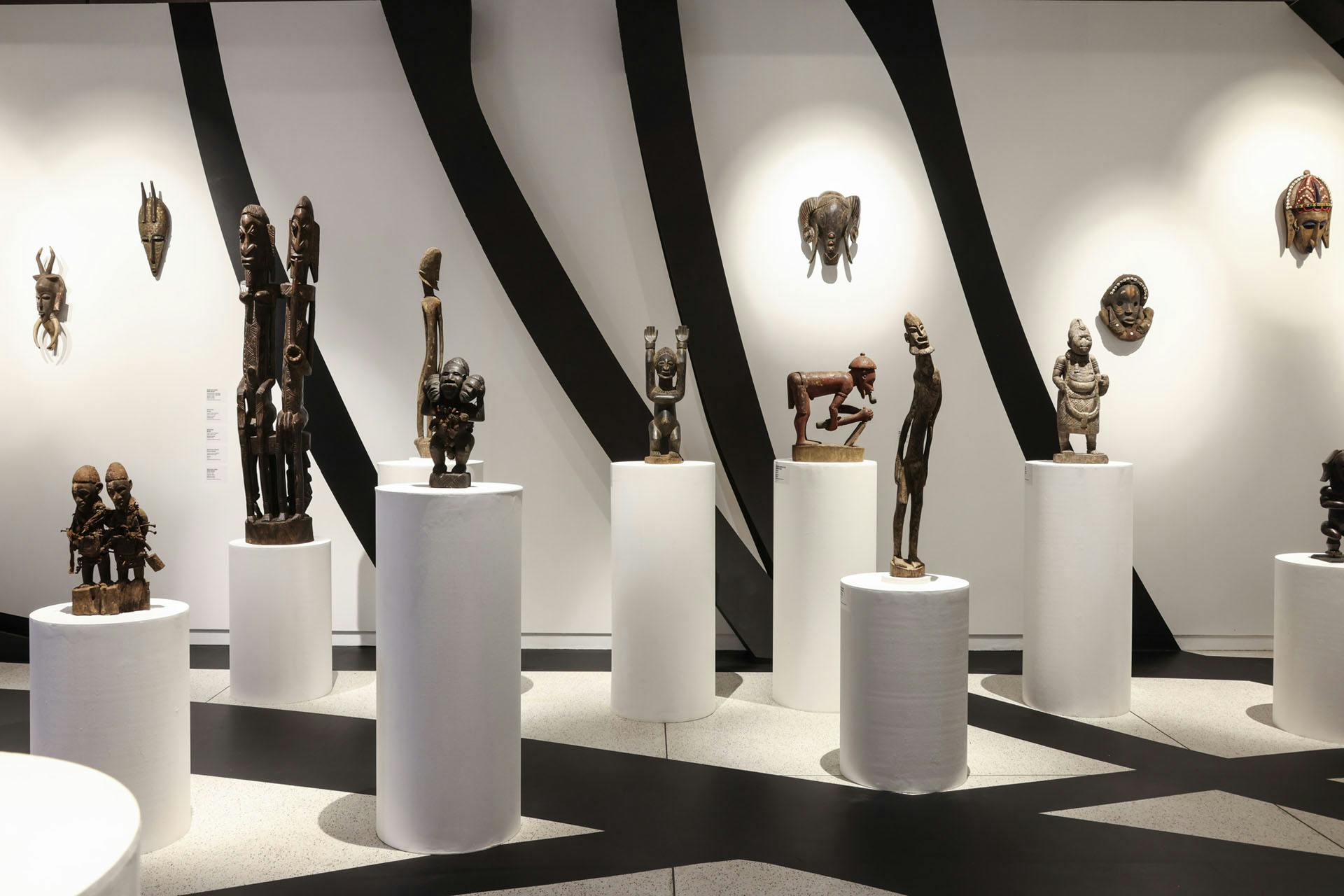
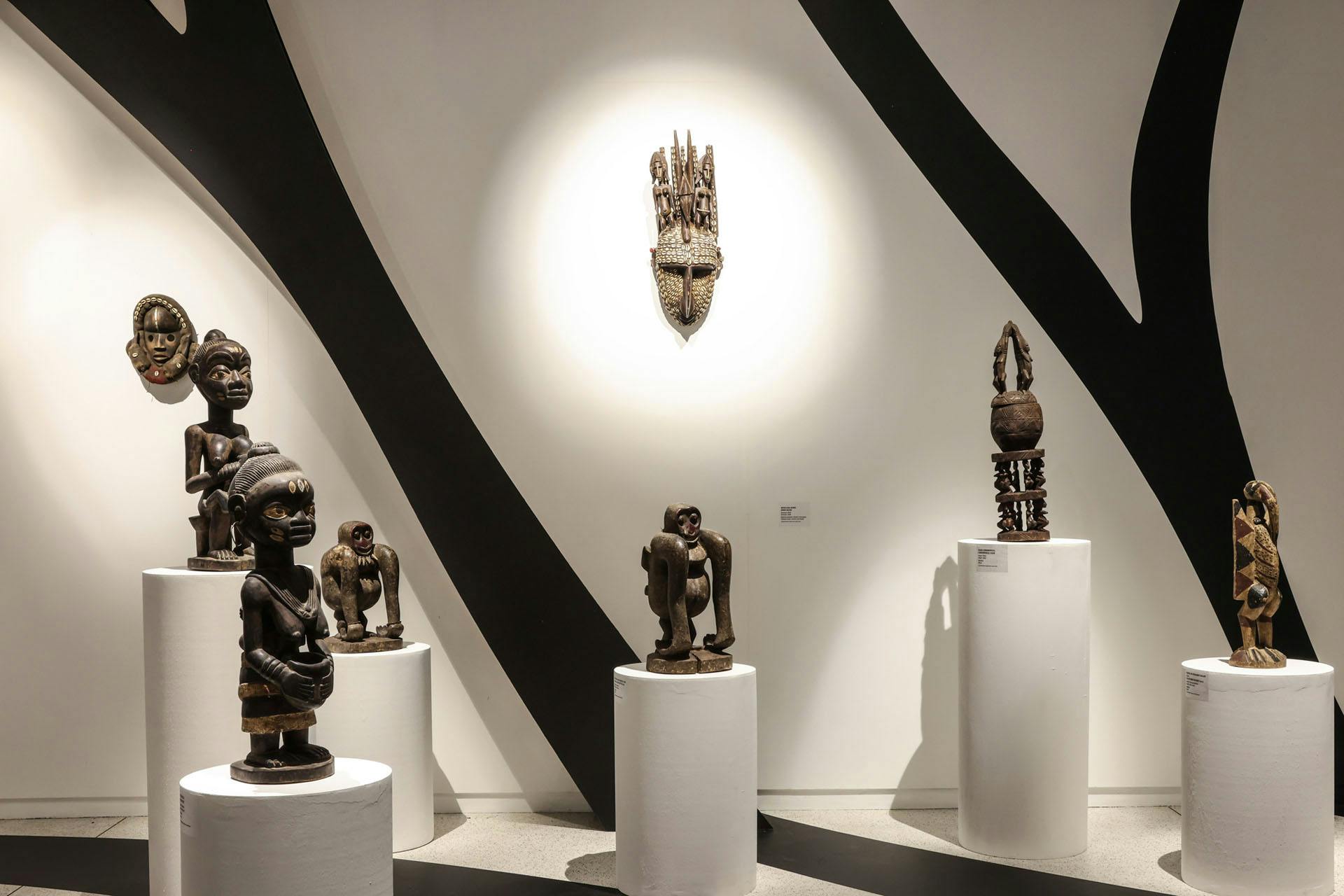
Fazem parte da exposição: máscaras, esculturas, bustos e cabeças de bronze, miniaturas metálicas, objetos do cotidiano e instrumentos musicais.
As obras têm origem em países como Costa do Marfim, Mali, Nigéria, Camarões, Gabão, Angola, República Democrática do Congo e Moçambique, entre outros.
Renato Araújo da Silva é historiador em Filosofia pela Universidade de São Paulo e coautor, entre outros trabalhos publicados, do livro “África em Artes”. Curador e pesquisador, atuou no Museu Afro e realizou outras exposições em museus, como o de Arte Sacra de São Paulo.
Images
foto: André Nacli
foto: André Nacli
foto: André Nacli
foto: André Nacli
foto: André Nacli
foto: André Nacli
foto: André Nacli
foto: André Nacli
foto: André Nacli
foto: André Nacli
foto: André Nacli
foto: André Nacli
foto: André Nacli
foto: André Nacli
foto: André Nacli
Featured video
A mostra “África, Expressões Artísticas de um Continente” é um recorte da doação de aproximadamente 1.700 peças de arte africana contemporânea, a partir da parceria do MON e da Coleção Ivani e Jorge Yunes. Assista ao recado do curador da exposição, Renato Araújo, e visite a Sala 4 do MON. ⠀⠀⠀⠀⠀ Exposição apresentada pela COPEL @copel_energia. #ArteAfricana#MuseuOscarNiemeyer
Materiais da Exposição
Africa, Artistic Expressions of a Continent
“Turn a tree into firewood and it will burn; but it will never give you flowers and fruit again.” Rabindranath Tagore (1861-1941), Bengali poet
The ancient metaphor of fertility related to the vital force and potency of trees, with their deep roots, their stem as a foundation, their ramifications as unfoldings of themselves, their legacy as symbolic flowers and fruits, was never more adequate as to be applied to the permanent links with our Mother Africa. If we then think of the metaphors of the gigantic baobab tree, from the more severe historical references associated with slavery by the so-called “tree of oblivion” to the milder ones, such as the famous tree in the book The Little Prince, the lessons arising therefrom would be analogous: “You become eternally responsible for what you captivate”, as Saint-Exupéry said.
If artistic expressions arise from the senses, the legacy of civilizations arises from the hands; and how beautiful are the manifestations of peoples, how beautiful are the arts of Africa! The love and yearning for the beautiful, the love and fear of nature and the gods and the fearless appreciation of civilization were so dear to African nations that they indistinctly distributed and reputed all aspects of existence, contradictory or not, some form of artistic expression.
The arts demarcate the forms of a time. The long-term exhibition “Africa, Artistic Expressions of a Continent” thus presents one of the essential points of the transition in the development of older African arts, since their withdrawal from the continent and the subsequent decontextualization of their intrinsic meanings, seen in the modern and contemporary world from an emphasis on their artistic forms. Previously restricted to European museums as objects of so-called traditional millenary cultures, today the works bequeathed from Africa have been able to conform to today's artistic work, offering the so-called “traditional contemporary African art” to the whole world, as it is known by specialists. These works are instruments of recent and authentic modernization of African popular arts or even modern reproductions of ancient pieces destined mainly for emerging markets in the tropics.
Strengthening institutional ties, the Oscar Niemeyer Museum (MON) received this important donation of African works from the Ivani and Jorge Yunes Collection (CIJY). Over more than fifty years, the couple has acquired works that span five continents. This donation includes around 1700 objects from Africa: masks, statuettes, busts, miniatures, everyday objects, musical instruments and a large number of other pieces. In a positive way, they are now part of the Oscar Niemeyer Museum collection, which we congratulate for having taken this opportune step, enriching its collection and, at the same time, the entire African legacy in Paraná and Brazil. We invite everyone to take an active part in this immersion in African art, observing its forms in what they themselves may surprise and allow an equivalent enjoyment to others in the artistic universe, without watertight determinations, taking this dialogue a step further.
From the great tree of Africa, multiple fruits and new legacies were generated. It was no coincidence that, like most sub-Saharan peoples, the Assyrians, the Egyptians, Greeks and Romans, the Mayans, the Incas, the Aztecs and basically all the great civilizations developed a culture of wearing masks and made representations in sculpture . With the exhibition of objects from such different cultural heritages, we find here an important point in common: within the museum, these arts are elevated to the same artistic platform, equaling African art to the level of world art. Here is a way to honor the visual ancestry of the past and to open up the new plantings, routes and perspectives of this art in the future.
Renato Araújo da Silva Curator and Specialist in African Art
The act of setting up the exhibition “Africa, the Artistic Expressions of a Continent” is the consolidation of a long and strict process whose pinnacle was the arrival of one of the most important and significant contemporary African art collections to the Oscar Niemeyer Museum (MON).
This exhibition is composed of part of the generous donation of approximately 1,700 African art pieces, the fruit of a partnership between MON and the Ivani and Jorge Yunes Collection (CIJY), of São Paulo, whose creation attempts began a few years ago and, fortunately, achieved this goal.
One of MON’s—currently, the greatest art museum in Latin America—main management challenges is always trying to increase its collection.According to the directive of the institution’s Referential Framework, it must prioritize visual arts, architecture, and design, focusing on Paranian and Brazilian art, but also expanding its mission to create contemporary Asian, Latin-American, and African art collections. Therefore, the Museum rejects the Eurocentric standard and tries to create equipollent collections.
Our interest in including contemporary African art in our collection and, consequently, bringing it to our audience led us to begin our fruitful conversation with the Yuneses, which has been dedicating itself to art for generations.
The intercultural dialog with Africa and its art is, without a doubt, another important step for MON in its mission to expand its frontiers.
We understand that the existence of a museum is based on its collection, but culture and knowledge—what makes us more human—are spread through the interaction between the audience and its pieces of art. We are certain that the great African art collection will offer insightful and enriching experiences to the audience.
Oscar Niemeyer Museum
Exposição virtual
O MON está ao lado de grandes museus do Brasil e do mundo na plataforma Google Arts & Culture. Visite nossas exposições em formato virtual.
Conheça mais sobre esta exposição na plataforma Google Arts & Culture.